Modern and Classic Golf Clubs

Have you ever wondered how modern technology can elevate your golf game? The evolution of golf clubs from classic craftsmanship to cutting-edge innovation is not just a story of progress; it's a roadmap to playing your best. Let's explore the key takeaways that can help you leverage these advancements on the course.
What You Will Learn
- Modern golf clubs utilize lightweight materials like titanium and carbon fiber, enhancing performance without compromising strength.
- Aerodynamic designs in clubs reduce drag and increase swing speed, allowing for greater distance and accuracy.
- Adjustable features in modern clubs help customize settings for optimal performance suited to individual swings.
- Technologies like CAD and 3D printing facilitate precise modeling and rapid prototyping, leading to innovative club designs that improve player performance.
- Classic golf clubs, with their handcrafted materials and techniques, offer a unique feel and connection that many seasoned players cherish.
- Understanding the right moment to upgrade your clubs can significantly enhance your game, based on your skill level and performance assessment.
- Utilizing technology such as Trackman can provide valuable data to inform your club choices and performance improvements.
Evolution of Golf Clubs: Classic vs. Modern Innovations
This visual highlights the key distinctions and advancements in golf club technology, comparing classic craftsmanship with modern innovations across materials, design, and performance aspects.
Key Differences: Classic vs. Modern Clubs
Classic Golf Clubs
- ✓Materials: Forged steel, Persimmon woods
- ✓Craftsmanship: Handcrafted, durability-focused
- ✓Performance: Lower trajectory, unique feel, skill-dependent
- ✓Sweet Spot: Smaller, less forgiving
Modern Golf Clubs
- ✓Materials: Titanium, Carbon fiber, Composites
- ✓Craftsmanship: CAD/3D printing, rapid prototyping
- ✓Performance: Max distance, accuracy, adjustable
- ✓Sweet Spot: Larger, highly forgiving
Upgrading Your Clubs: Skill Level vs. Technology
Skill Level Considerations
- ●Beginner: Focus on forgiveness, flexible shafts, lighter clubs.
- ●Intermediate: Seek clubs matching improved swing, balance feel & performance.
- ●Advanced: Precision, control, specific enhancements (distance/accuracy).
Technology for Decision Making
- ●Trackman: Visual data (launch angle, spin rate, ball speed).
- ●Interactive Quizzes: Tailored recommendations based on game style.
- ●Simulators: Test clubs in controlled environment, real-time feedback.
Understanding Golf Club Technology: The Shift from Classic to Modern
As a passionate golfer, I’ve seen firsthand how technology has transformed our beloved game. The journey from classic to modern golf clubs has been nothing short of revolutionary, fundamentally changing how we play and enjoy the sport. Today, we will explore how modern innovations can enhance your performance and why understanding this evolution is key to getting the most out of your game.
When it comes to golf clubs, technology plays a critical role. Modern clubs are designed to maximize distance, accuracy, and feel, making the game more accessible and enjoyable for golfers at all levels. Let's delve into some of the remarkable advancements that have reshaped the landscape of golf equipment.
How Modern Golf Clubs Revolutionize Your Game
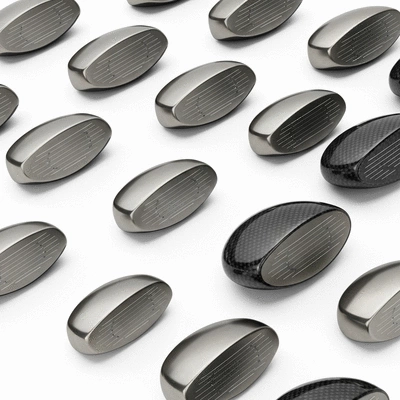
Modern golf clubs have transformed how we approach the game, introducing features that were unimaginable just a few decades ago. These advancements not only enhance performance but also boost confidence on the course. Here are a few key innovations that are making a difference:
- Lightweight Materials: Newer clubs often use advanced materials like titanium and carbon fiber, resulting in lighter yet stronger club heads.
- Improved Aerodynamics: Streamlined designs help reduce drag during swings, allowing for greater clubhead speed.
- Adjustable Features: Many modern clubs come with adjustable loft and lie angles, enabling golfers to customize their clubs for optimal performance.
These innovations can significantly impact your game. For example, a lighter club might help you achieve faster swing speeds, leading to increased distance and improved shot-making capabilities!
Key Innovations: Materials and Design Advances
The materials used today are not just about aesthetics; they are engineered to enhance performance. For instance, the introduction of composite materials in club design has allowed for greater flexibility and vibration dampening, which translates into better feel and accuracy. Additionally, the sleek silhouettes of modern clubs reduce air resistance, helping you swing faster and more efficiently. For more insights into the physics of golf clubs and how design impacts performance, you can refer to research on golf club head aerodynamics.
But it doesn’t end there! The design advances also include features like larger sweet spots, which help mitigate mishits. As a result, you can enjoy more consistent performance, even if you don't hit the ball perfectly.
The Role of CAD and 3D Printing in Club Development
Computer-Aided Design (CAD) and 3D printing are game-changers in modern golf club manufacturing. These technologies allow for precise modeling and testing of club designs before they are even produced. As a result, manufacturers can create clubs that are finely tuned to enhance player performance. The integration of such technologies fundamentally changes the development cycle, allowing for rapid innovation and customization in golf equipment, as highlighted in recent studies on advanced manufacturing in golf.
Moreover, 3D printing has enabled rapid prototyping, leading to quicker iterations and improvements. This means that golfers can benefit from cutting-edge designs that are based on the latest research and player feedback. The future of golf clubs is not just about traditional craftsmanship; it's about marrying skill with technology!
Classic Golf Clubs: A Look Back at Timeless Design
While it's essential to acknowledge modern advancements, we must also appreciate the roots of our sport. Classic golf clubs represent a period where craftsmanship was paramount. The materials used—like forged steel and persimmon woods—were designed with a focus on durability and feel.
These clubs are not just tools; they are a testament to the art of golfing, often requiring a unique skill set to use effectively. Let's take a closer look at the characteristics that define these timeless pieces of equipment.
Materials and Craftsmanship of Traditional Golf Equipment
Classic clubs were often handcrafted using high-quality materials, which gave them a unique feel and performance profile. The forged iron heads, for instance, provide excellent feedback and control, making them a favorite among many seasoned players. This craftsmanship is a crucial aspect of golf's history, emphasizing the skill involved in creating a club that feels just right. For a deeper dive into the historical development of golf equipment, including the transition from traditional craftsmanship to modern manufacturing, you might find this historical overview of golf equipment insightful.
Moreover, traditional woods made from persimmon were known for their solid construction and sound at impact, creating a sense of nostalgia for golfers who appreciate the history of the game.
Performance Characteristics: What Classic Clubs Offer
Classic clubs offer a distinctive playing experience that many golfers cherish. The performance characteristics of these clubs include a lower trajectory and a sense of connection between player and club. This connection often enhances the overall feel of the game, allowing players to develop a nuanced understanding of their swings.
Many golfers find that using classic equipment can improve their skills, as it encourages precision and technique. It's a reminder of the importance of mastering the fundamentals, something that modern technology sometimes overshadows.
Modern Golf Technology: Innovations Enhancing Player Performance
As we embrace the evolution of golf clubs, it’s impossible to ignore the innovations enhancing player performance. Modern technology is about more than just shiny new features; it's about making golf more enjoyable and accessible. Let's explore some incredible advancements that are shaping the future of golf.
Driver and Iron Set Advancements: Shaping the Future of Golf
Modern drivers and iron sets are equipped with technologies that help players achieve greater distance and accuracy. Features like variable face thickness and improved weight distribution mean that even mishits can yield respectable results. With adjustable weights and settings, modern drivers offer the ability to customize your setup, making them a valuable asset for players at any level.
This adaptability allows golfers to find a setup that suits their swing, enhancing their confidence and performance on the course. After all, when you feel good about your equipment, you're more likely to play well!
Putter Technology: The Quest for Precision on the Greens
No discussion of modern golf technology would be complete without mentioning putters. Today's putters come with advanced alignment features, adjustable weights, and improved grip designs that can significantly enhance your performance on the greens. Many of these innovations aim to improve consistency and accuracy, which are crucial for lowering your scores!
As I always say, the right putter can make all the difference! Whether it's the materials used or the design, finding a putter that fits your style can elevate your entire game.
Frequently Asked Questions About Golf Club Technology
Q1: What are the main differences between classic and modern golf clubs?
A1: Classic clubs often feature materials like forged steel and persimmon woods, with a focus on handcrafted durability and a smaller, less forgiving sweet spot. Modern clubs use lightweight materials such as titanium and carbon fiber, incorporate aerodynamic designs and adjustable features, and boast larger, more forgiving sweet spots for maximum distance and accuracy.
Q2: How do modern golf clubs enhance player performance?
A2: Modern clubs enhance performance through lightweight materials that increase swing speed, aerodynamic designs that reduce drag, and adjustable features (loft, lie angles) that allow for customization. Technologies like CAD and 3D printing also enable precise, performance-tuned designs and rapid prototyping.
Q3: When should a golfer consider upgrading their clubs?
A3: Golfers should consider upgrading when their current clubs hinder performance, such as consistent struggles with distance or accuracy. The decision also depends on skill level: beginners might seek forgiveness, intermediate players clubs matching improved swings, and advanced players specific enhancements for precision and control.
Q4: What role does technology like Trackman play in choosing new clubs?
A4: Trackman provides valuable visual data on swing characteristics (swing speed, ball flight, launch angle, spin rate, ball speed). This data allows golfers to compare performance with different clubs, make informed decisions, and choose equipment that aligns with their specific performance metrics and areas for improvement.
Q5: Are classic golf clubs still relevant today?
A5: Yes, classic golf clubs are still relevant, especially for golfers who appreciate the sport's history, craftsmanship, and the unique feel they offer. While they may require more skill to use effectively, many find that classic equipment can improve precision and technique, fostering a deeper connection to the game.
Engage with Us!
As you consider the advancements in golf technology, we want to know: What feature do you believe has had the greatest impact on your game? Share your thoughts below:
Making the Right Choice: Upgrading Your Golf Clubs
Deciding when to upgrade your golf clubs can be a game-changer for your performance on the course. As a seasoned golfer, I understand that recognizing the right moment for an upgrade often leads to significant improvements in your game. But how do you assess whether it’s time to invest in new equipment?
Start by taking a close look at your current performance. Are you consistently struggling with distance or accuracy? If so, an upgrade might be just what you need. Remember, even the best players evolve, and so should their gear!

Assessing Your Game: When Should You Consider an Upgrade?
When it comes to upgrading your golf clubs, it’s crucial to tailor your choices based on your skill level. For example, a beginner may benefit from game-improvement clubs that enhance forgiveness, while a more advanced player may look for precision and feel in their equipment.
- Beginner Players: Consider upgrading if you find that your current clubs are hindering your growth or confidence.
- Intermediate Players: If your swing has improved, investing in clubs that match your new skills can lead to better performance.
- Advanced Players: Look for specific improvements in your game to justify an upgrade, like distance or control enhancements.
Ultimately, your skill level plays a significant role in determining if an upgrade is the right choice. Don't forget to weigh the cost-benefit analysis—will this investment make a noticeable difference?
Beginner vs. Pro: Tailoring Equipment to Skill Level
As you reflect on your skill level, it's essential to recognize the differences in club designs tailored for beginners versus pros. Beginners often benefit from clubs that provide more forgiveness and help correct mis-hits, while advanced players might seek clubs that enhance their existing strengths.
Here are some factors to consider:
- Flexibility of Club: Beginners often require more flexible shafts to help with distance.
- Club Weight: Lighter clubs can help beginners generate swing speed.
- Forgiveness Features: Look for clubs with a larger sweet spot for better mishit compensation.
With these pointers in mind, you can make an informed decision based on your current skill set and aspirations.
Cost-Benefit Analysis: Is the Investment Worth It?
Before making any purchase, it’s wise to conduct a cost-benefit analysis. Think about how often you play and what improvements you anticipate. Are you looking to play more seriously, or is it just for fun? Understanding your personal goals will help you determine if an upgrade is justified.
Consider these questions:
- How much do you currently play?
- What are your future golfing goals?
- Do you see yourself investing in lessons or training?
By answering these, you’ll have a clearer picture of whether the investment in new clubs will pay off in the long run!
Engaging with Technology: Tools and Resources for Decision Making
In today’s world, technology can significantly enhance your decision-making process when it comes to upgrading your golf clubs. There are various tools and resources available to help you assess your needs and find the right fit!
One useful tool is Trackman, which provides visual data on your swing and club performance. This data can be invaluable in making informed decisions regarding club upgrades.
Visual Data: Using Trackman Tests to Compare Performance
Using tools like Trackman, you can gather concrete data about your swing speed, ball flight, and distance. This information allows you to compare your performance with different clubs and see which ones enhance your game the most.
- Launch Angle: Understand how your club choice affects your ball’s launch.
- Spin Rate: Determine how much backspin you generate and how it impacts your control.
- Ball Speed: Measure the speed of the ball after impact for distance insights.
With this data, you can identify specific areas for improvement and choose clubs that align with your performance metrics.
Interactive Quizzes: Finding Your Perfect Fit
Another fun way to assess your needs is through interactive quizzes, available on various golf websites. These quizzes often ask about your game style, typical scores, and preferences, leading to tailored club recommendations!
They can help you narrow down your options and discover clubs that cater to your unique playing style. Just remember, while quizzes can provide good starting points, nothing beats hands-on experience!
Simulator Technology: Bringing the Course to You
Finally, consider using simulator technology to help with your decision-making. Golf simulators allow you to test different clubs in a controlled environment, providing real-time feedback on your swing and club performance.
This can be an enjoyable way to try out new models without the pressure of the course. Plus, it gives you a chance to work on your game while experiencing the benefits of modern club technology!
Recap of Key Points
Here is a quick recap of the important points discussed in the article:
- Modern golf clubs utilize lightweight materials like titanium and carbon fiber, enhancing performance through increased speed and strength.
- Innovations in design, such as adjustable features and improved aerodynamics, help golfers customize their clubs for optimal performance.
- Understanding both classic and modern clubs can help players appreciate the evolution of the game and make informed equipment choices.
- Utilizing technology, such as CAD and 3D printing, allows for precise modeling and rapid prototyping in club development.
- Conducting a cost-benefit analysis before upgrading your clubs ensures that you make an investment that aligns with your playing goals.