Choosing the Right Golf Coach

Finding a golf coach who fits your unique style and goals can significantly improve your game. As you embark on this journey, consider what truly matters to you in a coaching relationship.
What You Will Learn
- Assess your current skill level to identify the right coaching approach for your needs.
- Define clear objectives for improvement, such as lowering your handicap or enhancing your short game.
- Set specific, measurable, and realistic goals to align with your coaching strategy.
- Evaluate potential coaches based on their teaching style, testimonials, and your budget.
- Trust your instincts when choosing a coach who respects your journey and learning style.
- Establish open communication with your coach to foster a productive and supportive relationship.
- Commit to ongoing education to stay updated on new techniques and trends in golf.
- Create a feedback loop with your coach to enhance your learning experience and adjust your training as needed.
How to Choose Your Golf Coach: A Goal-Oriented Approach
Finding the perfect golf coach starts with self-assessment and clear objectives. This visual outlines the key steps to align your aspirations with the right coaching approach for optimal improvement.
1. Define Your Goals & Skill Level
Goal Types
- Lower Handicap
- Improve Short Game
- Enhance Mental Focus
- Swing Consistency
Skill Assessment
- Self-Assessment
- Feedback from Others
- Scores & Statistics
2. Evaluate Potential Coaches
- Coaching Style & Methodology
- Testimonials & Success Stories
- Location & Accessibility
- Cost of Lessons & Packages
- Trust Your Instincts
3. Build a Productive Relationship
- Open Communication
- Continuous Learning
- Feedback Loop
- Discuss Successes & Challenges
- Adjust Goals as Needed
Understanding Your Goals: What to Look for in a Golf Coach
When it comes to improving your golf game, finding the right coach is key. You might wonder, "What should I really look for?" At Digest Golf, we believe the first step is understanding your own goals. This process will help you identify the right coaching approach for your unique playing style.
So, let’s dive into this together! We’ll explore how to assess your skill level and define what you want to achieve. Ready to get started?
Identifying Your Skill Level and Playing Style
Before you can determine the right coach, it’s crucial to assess your current golf skills. Are you a beginner just learning the basics, or are you an experienced player looking to refine your techniques? Identifying your playing style can also guide your choice. Here's how you can evaluate your level:
- Self-Assessment: Reflect on your recent rounds. What are your strengths? What areas need improvement?
- Feedback from Others: Ask fellow golfers or professionals for their perspective on your game.
- Scores and Statistics: Review your scores and statistics to see where you consistently perform well and where you struggle.
By pinpointing your skill level and style, you can make a more informed decision when looking for a golf coach who aligns with your needs. Remember, a great coach will tailor their teaching to fit your individual game! The PGA provides valuable insights on how to choose a golf coach to get started.
Defining Your Objectives for Improvement
Next, let’s define what you want to achieve. Are you aiming to lower your handicap, improve your short game, or enhance your mental focus on the course? Setting clear objectives can significantly streamline your coaching search. Here are a few common goals that golfers often have:
- Improving swing consistency
- Enhancing putting skills
- Developing better course management strategies
Each goal requires a different coaching style, so take some time to reflect on what matters most to you. As you explore coaching options, having these objectives in mind will help you find a coach who specializes in your areas of interest. Understanding the psychological aspects of golf coaching can also help you define more comprehensive objectives.
Setting Goals: How to Align Your Aspirations with Coaching Approaches
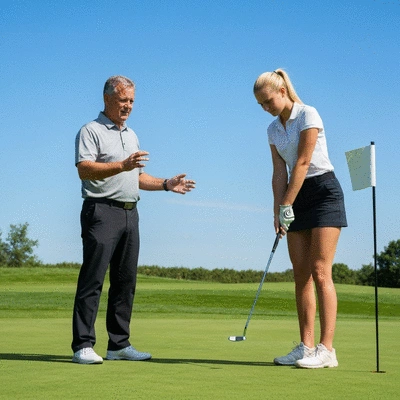
Now that you have a clearer understanding of your skill level and objectives, it’s time to set specific goals. This is where you align those aspirations with the kind of coaching you seek. Consider these tips for effective goal-setting:
- Be Specific: Instead of saying, "I want to be better at golf," specify how you’ll measure that improvement—like aiming for a particular score.
- Make Goals Measurable: Determine how you will track your progress, whether through stats, feedback from your coach, or personal assessments.
- Set Realistic Deadlines: Give yourself a timeframe to achieve these goals, which helps keep you motivated and accountable.
By creating tailored goals, you’ll enhance your coaching experience and give yourself a clear roadmap for improvement. Remember, at Digest Golf, we’re here to support you as you embark on this journey! Let’s make every swing count!
Evaluating Potential Golf Coaches: Key Criteria
Once you’ve defined your goals, it's time to evaluate potential golf coaches. Choosing the right coach can be the difference between stagnation and significant improvement!
In the next section, we will delve into essential criteria for selecting a coach who best fits your needs.
Interactive Poll: Your Coaching Journey
As you reflect on your journey in finding the right golf coach, we want to hear from you! What is the most important factor for you when selecting a coach?
Making the Final Decision: Choosing the Right Golf Coach for You
After you've done your homework and evaluated different coaches, it's time to make a decision. Summarizing your findings can help you compare your options effectively. Take a moment to reflect on what each coach has to offer and how they align with your personal goals. You might want to create a simple comparison chart to visualize your choices. Here are key factors to consider:
- Coaching style and methodology
- Testimonials and success stories
- Location and accessibility
- Cost of lessons and packages
By laying out these aspects, you can see who stands out. Trust your instincts; the right coach should resonate with your learning style and be someone you feel comfortable with during your journey.
Trusting Your Instincts: Finding a Coach Who Respects Your Journey
Choosing a golf coach isn't just about qualifications; it's also about finding someone who understands you. Trusting your instincts is crucial in this process. After meeting potential coaches, ask yourself: Do they respect your current skill level? Are they encouraging without pushing you too hard? A good coach will celebrate your progress and help you overcome challenges, which can make all the difference in your development.
Remember, golf is as much a mental game as it is physical. Finding a coach who prioritizes your comfort and growth will enhance your learning experience. Take a moment to reflect on your interactions; the right connection can lead to significant improvements in your game.
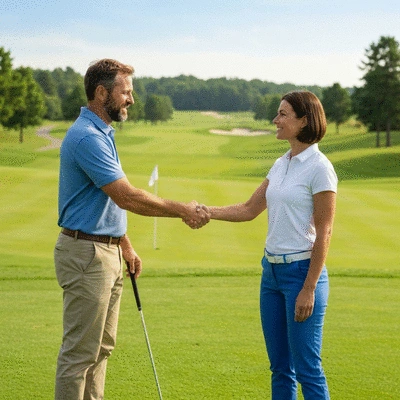
Evaluating Client Testimonials and Success Stories: What They Reveal About Coaches
As you finalize your decision, client testimonials can be a goldmine of information. Reviews and success stories from previous students often reveal a lot about a coach's effectiveness. Look for patterns in feedback—do they consistently help players improve? Are their students happy with the results? Additionally, consider the types of golfers they’ve worked with before. A coach who has successfully guided beginner golfers may not be the best fit for more experienced players, and vice versa. Insights from The Sport Journal highlight the importance of skill in golf coaching.
- Check reviews on their website and social media
- Ask for references from past clients
- Look for success stories that resonate with your own goals
By carefully evaluating these testimonials, you can get a clearer picture of what to expect and ensure that your chosen coach aligns with your aspirations.
Engaging with Your Coach: Building a Productive Relationship
Once you’ve chosen the right coach, it’s essential to establish a productive relationship. Open communication is the cornerstone of effective coaching. This relationship is vital for your growth and enjoyment of the game.
Open Communication: Setting the Tone for Feedback and Growth
Right from the start, set the tone for open communication with your coach. Discuss your goals, concerns, and any specific areas you'd like to work on. A successful coaching relationship thrives on feedback, both giving and receiving. Make sure your coach knows you value their input, and don't hesitate to ask questions when something isn't clear. This proactive approach can help you grow faster and feel more connected to your learning process.
Remember, communication goes both ways; your coach should also be open to your insights and preferences. This mutual respect fosters a positive environment for improvement.
Continuing Education: Staying Up-to-Date with Golf Techniques and Trends
The world of golf is always evolving. Continuing education is crucial, even for seasoned players. Stay informed about new training techniques, equipment trends, and instructional methods. Participating in workshops or clinics can also enhance your skills and keep your training fresh. Ask your coach about resources or learning opportunities that can further support your development. They may have insights into the latest techniques or recommend books and online courses that can enrich your understanding of the game.
By committing to ongoing education, you can stay ahead of the curve and continue to improve your game.
Establishing a Feedback Loop: Enhancing Your Learning Experience
A feedback loop can significantly enhance your learning experience with your golf coach. After lessons, take time to reflect on what you learned and how you can apply it in practice. Communicate this feedback to your coach, and let them know what techniques worked for you and what didn’t. This dialogue not only helps you adjust your training but also enables your coach to tailor their methods to suit your evolving needs.
- Discuss successes and challenges after each lesson
- Set aside time to review progress regularly
- Be open to adjusting goals based on feedback
Remember, the goal is to create a supportive environment where both you and your coach can thrive. This will ultimately lead to greater success on the course!
Frequently Asked Questions About Choosing a Golf Coach
- Q1: How do I determine my current golf skill level?
- A1: You can assess your skill level through self-assessment by reflecting on recent rounds, seeking feedback from fellow golfers or professionals, and reviewing your scores and statistics to identify strengths and weaknesses.
- Q2: What are some common objectives golfers have for coaching?
- A2: Common objectives include lowering your handicap, improving your short game, enhancing mental focus, achieving swing consistency, improving putting skills, and developing better course management strategies.
- Q3: How should I set effective goals for my golf coaching?
- A3: Effective goals should be specific (e.g., aiming for a particular score), measurable (trackable through stats or feedback), and have realistic deadlines to keep you motivated and accountable.
- Q4: What criteria should I use to evaluate potential golf coaches?
- A4: Key criteria include their coaching style and methodology, testimonials and success stories from previous clients, their location and accessibility, and the cost of their lessons and packages. It's also important to trust your instincts about how well you connect with them.
- Q5: Why is open communication important in a coaching relationship?
- A5: Open communication sets the tone for effective feedback and growth. It allows you to discuss your goals, concerns, and areas for improvement, ensuring the coach's input is valued and that you can ask questions when needed. This mutual respect fosters a positive learning environment.
Recap of Key Points
Here is a quick recap of the important points discussed in the article:
- Assess your skill level and playing style to find a coach that fits your needs.
- Define clear objectives for improvement, such as lowering your handicap or enhancing your putting skills.
- Set specific, measurable, and realistic goals to align with your coaching approach.
- Evaluate potential coaches based on their style, testimonials, location, and cost.
- Trust your instincts in finding a coach who respects your journey and fosters a positive learning environment.
- Engage in open communication with your coach to enhance your feedback and growth.
- Commit to continuing education to stay updated on the latest golf techniques and trends.
- Establish a feedback loop to continuously refine your skills and goals.