Coaching Styles for Golf Improvement

As you consider your journey in golf, have you thought about how the right coaching style could transform your game? Discovering a coach who aligns with your learning preferences can be the key to unlocking your full potential on the course.
What You Will Learn
- Coaching styles greatly influence skill development and can enhance your understanding of the game.
- Finding a coach whose teaching philosophy aligns with your learning style leads to more effective instruction.
- Common instructional techniques like video analysis and on-course lessons provide targeted feedback for improvement.
- The mental aspect of coaching is crucial; coaches who incorporate psychological strategies can significantly impact your performance.
- Setting achievable milestones with your coach can maintain motivation and foster a positive learning environment.
- Evaluating potential coaches based on their approach can help you find the perfect fit for your golfing goals.
Golf Coaching Approaches: A Comparative Overview
The Analytical Teacher
Focuses on data and swing analysis to improve accuracy. Utilizes video technology for insights.
The Model Swing Teacher
Emphasizes visualization and emulation of successful swings. Focuses on visual learning.
The Technical Coach
Uses technology like launch monitors for a mechanical approach to swing. Precision-driven.
The Tactile/Feel-Based Coach
Prioritizes sensory learning and experience for skill development. Focuses on natural movement.
Understanding Golf Coaching Styles: An Overview
When we think about improving our game, the style of coaching we receive can make all the difference. Each golf coach has a unique approach that shapes how they interact with their students and convey important skills. So, what exactly defines a golf coach's approach? Let’s dive into this fascinating world where different coaching styles can either elevate your game or leave you feeling lost!
Understanding these coaching styles is essential for embracing the full potential of your game. Each coach’s philosophy can significantly impact how you learn and develop as a golfer. Whether you’re a beginner trying to find your footing or an experienced player seeking to fine-tune your skills, knowing these styles will help you choose a coach that resonates with you.
What Defines a Golf Coach's Approach?
A golf coach's approach typically revolves around their philosophy of teaching, communication styles, and how they structure practice sessions. Some coaches may focus heavily on technique, while others might prioritize strategy or mental game development. Here are some defining characteristics:
- Teaching Philosophy: Every coach has their own beliefs about what makes a player successful.
- Communication Style: How a coach conveys information can greatly affect your understanding.
- Practice Structure: The way a coach designs practice sessions can influence how you develop skills.
By understanding these components, you can find a coaching style that truly complements your learning style and goals.
Importance of Coaching Styles in Skill Development
Coaching styles play a pivotal role in your skill development journey. A coach who resonates with your personal learning style can enhance your understanding of the game and boost your confidence. To illustrate the broader impact of effective coaching, research highlights how coaches contribute significantly to athlete development across various sports. Here's why it's important:
- Tailored Learning: A compatible coaching style ensures that instructions are more relatable and easier to grasp.
- Building Trust: When you connect with your coach, you'll likely feel more comfortable asking questions and seeking feedback.
- Goal Alignment: Coaches who understand your goals can better tailor their approach for maximum impact.
Ultimately, investing time to understand various coaching styles can lead to a more fulfilling and effective learning experience on the golf course.
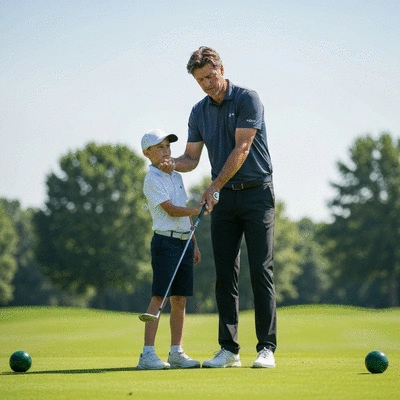
Common Instructional Techniques Used by Golf Coaches
Golf coaches utilize a variety of instructional techniques to help players sharpen their skills and boost their confidence. For instance, the integration of strength and conditioning into golf practice is becoming increasingly common, reflecting a holistic approach to player development. Here are some common methods you might encounter:
- Video Analysis: Many coaches use video technology to break down and analyze your swing for better insights.
- On-Course Instruction: Practical lessons on the course help players learn how to apply skills in real game scenarios.
- Drills and Exercises: Targeted drills can help reinforce specific skills or techniques.
These techniques enable coaches to provide actionable feedback tailored to each player's needs, ensuring that every lesson is productive and engaging. Remember, the right instructional method can turn practice into a breakthrough!
Pro Tip
When searching for the right golf coach, don't hesitate to ask for a trial lesson. This allows you to gauge their teaching style and see if it aligns with your learning preferences before committing long-term. Remember, the right connection can make a world of difference in your golfing journey!
Summary of Coaching Styles and Their Impact on Skill Development
As we wrap up our discussion on various coaching styles, it’s important to recognize how each approach can influence your game. Whether you prefer a data-driven method or a more tactile experience, understanding these styles is key to enhancing your performance. Here’s a quick recap of the main coaching styles we've explored:
- The Analytical Teacher: Focuses on data and swing analysis to improve accuracy.
- The Model Swing Teacher: Emphasizes visualization and emulation of successful swings.
- The Technical Coach: Uses technology like launch monitors for a mechanical approach to swing.
- The Tactile/Feel-Based Coach: Prioritizes sensory learning and experience for skill development.
Each of these styles offers unique benefits, and your choice should align with your specific skill development goals. Remember, the right coach not only addresses your current abilities but also helps you envision your potential!
Final Thoughts on Choosing the Right Golf Coach for Your Journey
Choosing the right golf coach isn’t just about technique—it's about finding someone who resonates with your personal learning style. I often remind my readers at Digest Golf that a coach should feel like a partner in your journey, someone who inspires you to push your limits while making the process enjoyable. If you feel motivated after each lesson and can easily grasp the concepts presented, you're likely on the right path!
Consider also how a coach's personality and teaching style can impact your experience on the course. A great fit can lead to significant improvements in your game as well as your overall enjoyment of golf.
The Role of Mental Game in Golf Coaching
How Golf Psychology Influences Performance
The mental aspect of golf is just as critical as the physical. Golf psychology plays a massive role in how we approach the game. As I’ve seen firsthand, having a solid mental game can mean the difference between a successful round and one filled with frustration. Coaches who understand this can help you learn how to manage pressure, visualize success, and stay focused during critical moments. The importance of this is underlined by studies demonstrating how psychological skills training improves performance and well-being in athletes.
- Building confidence through positive reinforcement.
- Using visualization techniques to prepare for shots.
- Developing routines to foster a calm mindset.
Each of these mental strategies can significantly enhance your performance, helping you to maintain composure and focus when it truly counts!

Incorporating Motivation Techniques into Training
Motivation is a driving force behind improvement in any sport, especially in golf. A skilled coach should incorporate motivational techniques into your training regimen. Think about what excites you about the game and how your coach can tap into that enthusiasm. Here are some effective techniques:
- Setting achievable milestones to celebrate progress.
- Using challenges or friendly competitions to spur improvement.
- Tailoring practice sessions to include your favorite drills.
By creating a dynamic and engaging training atmosphere, your coach can help sustain your interest and drive for continuous improvement. Remember, at Digest Golf, we believe that practice should be enjoyable as well as challenging!
Take Action: Finding Your Perfect Golf Coach
Next Steps: Evaluating Coaches Based on Your Goals
Now that you’re equipped with knowledge about coaching styles and the importance of mental game strategies, it’s time to take action! When evaluating potential coaches, consider how their approach aligns with your personal goals. Ask questions that reveal their coaching philosophy and ensure that it matches the style you believe will work best for you.
Encouraging Continuous Learning and Improvement in Golf through Practice Strategies
Last but not last, cultivating a mindset of continuous learning is vital. Each time you step onto the course or practice range, view it as an opportunity to grow. I encourage golfers to actively seek feedback from their coaches and to embrace every lesson as a building block for future success. Remember, improvement comes from consistent practice and a willingness to adapt!
With the right coach and a proactive attitude, you’re well on your way to achieving your golfing dreams!
Frequently Asked Questions (FAQs)
- What are the main golf coaching styles?
- The main golf coaching styles include The Analytical Teacher (data-driven), The Model Swing Teacher (visualization), The Technical Coach (technology-focused), and The Tactile/Feel-Based Coach (sensory learning).
- Why is it important to choose a coaching style that aligns with my learning preferences?
- Choosing a compatible coaching style ensures that instructions are more relatable and easier to grasp, enhancing your understanding and boosting your confidence. It also helps build trust and aligns with your personal goals for maximum impact.
- What instructional techniques do golf coaches commonly use?
- Common instructional techniques include video analysis to break down swings, on-course instruction for real-game scenarios, and targeted drills and exercises to reinforce specific skills.
- How does the mental game influence golf performance?
- The mental game is crucial for managing pressure, visualizing success, and maintaining focus. Coaches help build confidence through positive reinforcement, teach visualization techniques, and develop routines for a calm mindset, all of which significantly enhance performance.
- How can I evaluate potential golf coaches?
- When evaluating coaches, consider how their approach aligns with your personal goals. Ask about their teaching philosophy, communication style, and practice structure. A trial lesson can also help you gauge if their style aligns with your learning preferences.
Recap of Key Points
Here is a quick recap of the important points discussed in the article:
- Understanding Coaching Styles: Different styles, such as analytical, tactile, and technical, influence how players learn and develop their skills.
- Importance of Compatibility: Choosing a coach whose style aligns with your learning preferences enhances your skill development and confidence.
- Instructional Techniques: Techniques like video analysis and on-course instruction provide tailored feedback and practical learning experiences.
- Mental Game Strategies: Coaches can help players manage pressure and visualize success, significantly impacting performance.
- Continuous Learning: Viewing each practice as an opportunity for growth is crucial for long-term improvement in golf.