Adjusting Your Golf Swing Tips
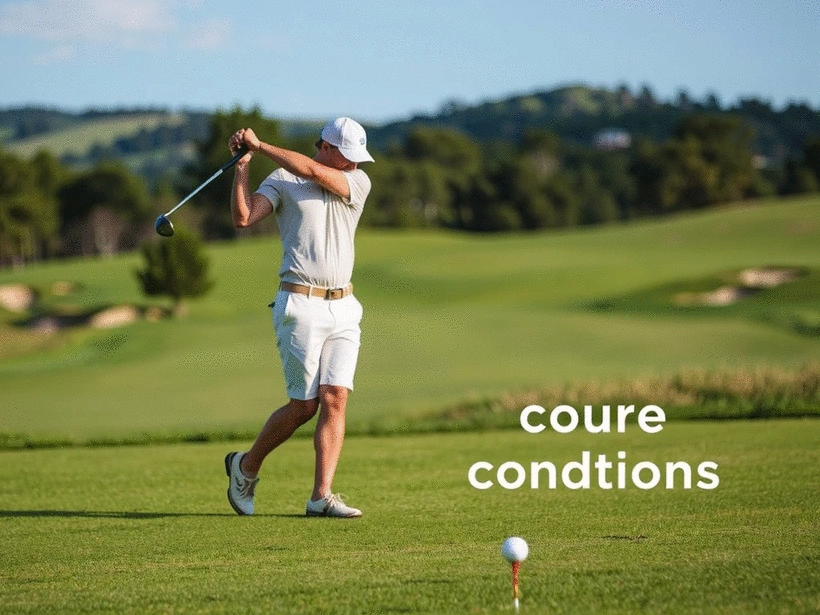
As you navigate the ever-changing landscapes of your favorite golf courses, how well do you adjust your swing to accommodate the conditions? Understanding the impact of wind, temperature, and ground firmness can be the key to transforming your game. Dive into these essential insights to enhance your performance on the course!
What You Will Learn
- Wind can significantly affect ball flight and distance; adjust your swing accordingly to ensure better control.
- Different ground conditions necessitate varying techniques; softer contact is crucial on wet grass, while firmer stances may be required on dry ground.
- Cold weather influences muscle stiffness; prioritize warming up and making smoother swings to reduce the risk of injury.
- In hot and dry conditions, expect faster greens and increased ball roll, which may require using longer clubs for accurate shots.
- For wet and sloppy conditions, ensure solid footing and select clubs with wider soles to make precise contact.
- Keep yourself hydrated during play to maintain focus and improve performance, especially in hot weather.
Mastering Your Golf Swing: Adapting to Course Conditions
Understanding how weather and ground conditions impact your golf swing is crucial for consistent performance. This guide breaks down key adjustments for common scenarios.
Understanding Golf Swing Adjustments for Various Course Conditions
As a golfer, adapting your swing to different course conditions isn’t just smart—it’s essential! Various environmental factors can significantly impact how we hit the ball. Understanding these nuances can transform your game and help you make better decisions on the course.
Factors such as wind, temperature, and ground firmness play a critical role in your swing mechanics. For instance, a strong headwind can affect your distance, while wet conditions may alter your grip and stance. By being aware of these elements, you can better prepare yourself to tackle any challenge the course throws your way.
Why Course Conditions Matter for Your Swing
Different course conditions not only affect the mechanics of your swing but also influence your overall strategy. When the ground is wet, you might need to adjust your contact point or the club you're using. Similarly, on dry and firm ground, the ball may roll more, leading to longer distances than anticipated. Research on golf swing adjustments highlights the importance of adapting to these variables for optimal performance, as discussed by experts at the Keiser University College of Golf.
- Wind: Affects ball flight and distance; adjust your swing to account for this.
- Ground Conditions: Wet grass requires a softer touch, while dry conditions may need a firmer stance.
- Temperature: Colder air may cause the ball to travel shorter distances.
By understanding these factors, you can make informed adjustments to your swing. Remember, each round presents a new opportunity to refine your technique according to the course conditions!

Adapting Your Golf Swing for Weather Variations
Weather can be unpredictable, but your swing doesn’t have to be! Adapting your swing technique to align with weather variations is crucial for maintaining performance. Here are some effective strategies to ensure you stay on top of your game, no matter the weather.
Cold Weather Techniques for Effective Swings
When the temperature drops, it’s not just your hands that get stiff. Cold weather can lead to firmer ground, which means you need to adjust your approach. Here’s how to handle those challenging conditions:
- Warm-Up: Always warm up properly to loosen up those muscles!
- Stiffer Muscles: Focus on making smoother swings to avoid muscle strains, a common issue highlighted in studies on golf performance and injury prevention. For further insights into the biomechanics of a golf swing and how environmental factors can influence it, you can consult research published in sources like Taylor & Francis Online.
- Wind Challenges: Lower your trajectory to combat strong winds and ensure better control.
By incorporating these techniques, you can navigate cold weather with confidence. Remember, staying warm and flexible is key to maintaining a good swing!
Strategies for Hot and Dry Course Conditions
Hot and dry conditions can make the course play faster. Here are some adjustments you can make to adapt:
- Faster Greens: Expect quicker greens; adjust your putting speed and aim for a softer touch.
- Ball Bounces: Be prepared for more roll; a longer club might be necessary for longer shots.
- Hydration: Keep yourself hydrated to maintain focus and performance.
Knowing how to adjust your game for hot weather can significantly enhance your performance. With the right mindset and techniques, you can tackle any course condition!
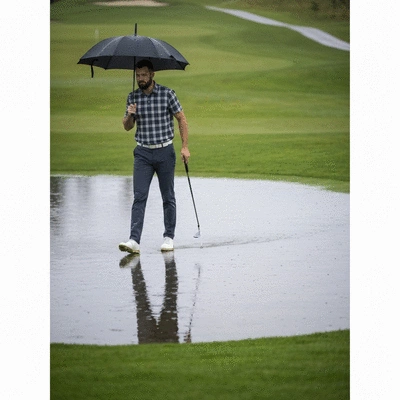
Navigating Sloppy and Wet Conditions
Wet and sloppy conditions can pose challenges, but they also provide an opportunity to refine your skills. Here are some tips for maintaining precise contact:
- Footing: Pay attention to your stance; ensure you have solid footing to avoid slipping.
- Club Selection: Use clubs with a wider sole to help with contact on muddy surfaces.
- Effort Levels: Maintain a smooth swing to avoid excessive force, which can lead to inaccuracies.
By following these strategies, you can adapt your swing and keep your game strong, no matter how wet the conditions get!
Engagement Invitation
What strategies have you found most effective in adjusting your swing based on course conditions? Share your thoughts and tips in the comments below to help fellow golfers enhance their game!
Frequently Asked Questions (FAQs)
- How does wind affect golf ball flight and distance?
- Wind significantly affects both ball flight and distance. A headwind will reduce distance and a tailwind will increase it. Crosswinds can push the ball off course. Adjusting your trajectory (e.g., hitting lower shots into a headwind) is crucial for control.
- What adjustments should I make for different ground conditions?
- On wet ground, aim for softer contact to avoid digging into the turf, and consider clubs with wider soles. On dry, firm ground, expect more ball roll, which might mean using a longer club for certain shots and adjusting your landing zones.
- How does temperature impact my golf swing and performance?
- Cold temperatures can stiffen muscles and reduce ball compression, leading to shorter distances. It's important to warm up thoroughly and use smoother swings. Hot weather can lead to faster greens and more ball roll, requiring adjustments to putting speed and club selection.
- What are the key considerations for playing in cold weather?
- In cold weather, prioritize a thorough warm-up to keep muscles flexible. Focus on smooth swings to prevent injury and maintain control. When dealing with cold winds, consider lowering your ball trajectory to minimize wind influence.
- What strategies are best for playing in hot and dry conditions?
- For hot and dry conditions, anticipate faster greens and increased ball roll. You might need to adjust your putting stroke for speed and use a longer club for approach shots. Staying well-hydrated is also essential to maintain focus and physical performance.
- How should I adapt my swing for wet and sloppy course conditions?
- In wet conditions, ensure you have solid footing to prevent slipping. Select clubs with wider soles to help with turf interaction and maintain precise contact. Focus on smooth, controlled swings rather than trying to overpower the ball, which can lead to inaccuracies.
Summarizing Key Takeaways for Adjusting Your Golf Swing
As we wrap up our discussion on adapting your golf swing to different course conditions, it's essential to recognize the impact of environmental factors on your game. Whether it’s cold, hot, or wet, adjusting your swing mechanics can make a significant difference in your performance. Here are the key adjustments to keep in mind:
- Cold Weather: Focus on warming up your muscles and adjusting your stance to maintain balance on firmer ground.
- Hot Conditions: Be prepared for faster greens and consider using an extra club to account for potential bounces.
- Wet Courses: Emphasize soft contact to control the ball's flight and avoid excessive effort that could lead to mis-hits.
These adjustments not only enhance your control over the ball but also help you tackle any situation confidently. Remember, adapting your swing isn't just about technique; it's about understanding the course and how external factors influence your game.
Next Steps for Improving Your Golf Game
Now that we've covered how to adjust your swing for various conditions, it’s time to put these insights into practice! I encourage you to try out the techniques we've discussed. Here’s how you can get started:
- Practice specific drills that target the challenges posed by different weather conditions.
- Explore your local courses during various times of the year to experience firsthand how conditions change.
- Keep a journal of your swing adjustments and their outcomes to track your progress and refine your approach.
By continuously adapting your game, you'll not only improve your skills but also enhance your enjoyment of the sport. Golf is as much a mental game as it is a physical one, so embrace these adjustments and let them guide your practice!
Engagement Invitation
I’d love to hear from you! What adjustments have you made to your swing based on course conditions? Share your experiences in the comments below. Let’s learn from each other and grow our golfing community here at Digest Golf. Your insights could help fellow golfers navigate similar challenges in their games!
Recap of Key Points
Here is a quick recap of the important points discussed in the article:
- Wind Adjustments: Modify your swing to account for wind effects on ball flight and distance.
- Ground Conditions: Adapt your stance and club selection based on wet or dry ground conditions.
- Temperature Effects: Remember that colder air can reduce distance, so adjust your swing accordingly.
- Cold Weather Tips: Warm up properly, make smoother swings, and lower trajectory in windy conditions.
- Hot and Dry Conditions: Expect quicker greens and potentially longer shots due to ball roll.
- Wet Conditions Strategy: Focus on solid footing, use appropriate clubs, and maintain a smooth swing.