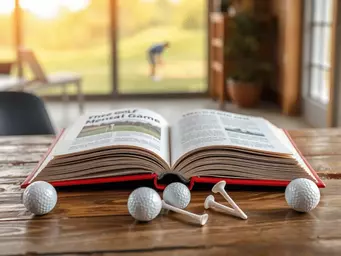
Golf Swing Tips for Seniors

As we embrace the journey of aging, it's essential to adapt our golfing strategies to maintain both enjoyment and performance. Here are some vital insights for senior golfers to enhance their game.
What You Will Learn
- Adjusting swing mechanics is crucial as muscle strength and flexibility change with age.
- Incorporating daily stretching and resistance training can significantly improve flexibility and power.
- Golf serves as an excellent way to enhance physical fitness while promoting mental well-being through social interaction.
- Establishing a personalized exercise plan tailored to individual needs can lead to sustainable improvement in performance.
- Tracking progress through journals or apps can help maintain motivation and identify areas for improvement.
- Participating in golf clinics or lessons can provide valuable skill development and foster camaraderie among players.
Enhancing Your Golf Game as a Senior
Age-related changes impact golf performance, but adapting your routine and focus can lead to significant improvements. Below, we highlight key areas for senior golfers to maintain and enhance their game.
Age & Swing Mechanics
- Smooth tempo, consistent swings
- Balance & stability drills
Adapt to decreased range of motion with controlled movements.
Power & Flexibility
- Daily stretching routines
- Resistance training for power
Enhance swing and prevent injuries through consistent practice.
Sustainable Routine
- Consistent frequency (3-4x/week)
- Mix of flexibility, strength, cardio
Personalized plans lead to sustained progress and engagement.
Skill Development
- Golf clinics & lessons
- Choose experienced instructors
Proactive learning enhances both game and enjoyment.
Understanding the Unique Needs of Senior Golfers
As we age, our bodies go through inevitable changes that can impact how we play golf. It’s essential to understand these shifts to adapt our techniques and maintain performance. Senior golfers face unique challenges, from flexibility issues to changes in swing mechanics. Recognizing these needs can empower you to enjoy the game more fully and competitively.
In my journey with Digest Golf, I've seen countless senior players transform their games by adjusting their approach. The key is to embrace your age as a part of your golfing story. It’s not just about playing; it’s about playing smart!
How Age Affects Golf Swing Mechanics
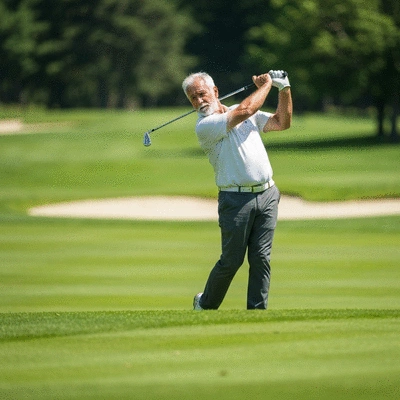
With age, muscle strength and flexibility can diminish, directly influencing our golf swings. A common issue is decreased range of motion, which can impact how effectively you generate power. Understanding these changes allows you to modify your swing mechanics accordingly, focusing on smoother, more controlled movements rather than sheer force. Research in the Golf Science Journal highlights how biomechanical adjustments are crucial for senior golfers.
- Focus on maintaining a smooth tempo.
- Consider shorter, more consistent swings.
- Incorporate drills that emphasize balance and stability.
By adapting your swing to accommodate these changes, you can still achieve excellent results on the course. Remember, it’s about making the most of your current ability while enjoying the game!
The Importance of Power and Flexibility in Your Game
Power and flexibility are crucial for all golfers, but they become even more important as we age. Improved flexibility enhances your overall swing mechanics and helps prevent injuries. Similarly, maintaining power can ensure you have the distance and control needed for effective play. A study published in PMC indicates the significant role of physical conditioning in golf performance among older adults.
- Daily stretching routines can significantly enhance your flexibility.
- Incorporating resistance training can help maintain muscle power.
- Focus on functional movements that mimic the golf swing for better results.
At Digest Golf, I recommend setting aside time for flexibility exercises as part of your pre-game routine. This commitment can lead to a more enjoyable and effective game!
Exploring the Benefits of Golf for Senior Physical Fitness
Golf isn’t just a game; it’s a fantastic way to stay physically fit, especially for seniors. Walking the course promotes cardiovascular health, while swinging a club engages various muscle groups. Not only does this improve your fitness levels, but it can also enhance your mental well-being. The positive impact of physical activity, such as golf, on cognitive function and overall health in older adults is well-documented in sources like PMC.
- Boosts cardiovascular endurance through regular walking.
- Enhances flexibility and strength with consistent practice.
- Encourages social interaction and mental stimulation.
Embrace golf as a means to not only improve your game but also to enhance your overall lifestyle. Enjoy the camaraderie on the course, and remember, every swing is a step towards better health!
Interactive Poll: Your Golf Experience
As a senior golfer, what aspect of your game do you find most challenging?
Creating a Sustainable Golf Routine
To truly enhance your golf game, it's essential to have a sustainable routine that fits your lifestyle and physical capabilities. Creating a personalized exercise plan tailored to your specific needs can make a world of difference. As we age, our bodies require different approaches to training and fitness, and I’ve learned that understanding your unique situation is key. A sustainable routine not only keeps you engaged but also helps you see continual progress over time.
When designing your exercise plan, consider the following components:
- Frequency: Aim for consistency—three to four times a week is often a good starting point.
- Variety: Include a mix of flexibility, strength, and cardiovascular exercises.
- Listening to your body: Adjust your plan based on how you feel to avoid burnout or injury.
By creating a routine that resonates with you, you're more likely to stick with it and reap the benefits on the course!
Establishing a Personalized Exercise Plan
Creating your personalized exercise plan involves a few important steps. First, assess your current fitness level. Take note of how your body feels during various activities, especially golf-related movements. Next, set realistic goals based on your current abilities and desired improvements. If you’re unsure where to start, consider consulting a fitness professional who specializes in senior fitness or golf performance.
Here are some tips to help guide you:
- Start slow: Introduce exercises gradually to avoid overexertion.
- Incorporate golf-specific movements: Focus on exercises that mimic the golf swing for better transfer to the course.
- Schedule your workouts: Treat them like an important tee time—put them in your calendar!
Remember, a well-rounded plan should include flexibility work, strength training, and cardiovascular activities to keep you feeling your best.

Tracking Progress for Long-Term Improvement
Tracking your progress is crucial for maintaining motivation and recognizing improvements. Just like keeping score on the golf course, keeping a record of your workouts can provide valuable insights into your development. It allows you to see what works and where you may need to adjust your routine.
Here are some methods to effectively track your progress:
- Workout Journal: Keep a simple notebook where you log exercises, sets, reps, and how you feel after each session.
- Mobile Apps: Use fitness apps designed for tracking workouts and progress, which often come with helpful features.
- Regular Assessments: Schedule time every month or so to revisit your goals and assess your performance.
Tracking helps foster a sense of achievement and keeps you engaged in your fitness journey. Plus, it can spark conversations with fellow golfers about your progress!
Exploring Golf Clinics and Lessons for Skill Development
While personal exercise routines are essential, joining golf clinics or taking lessons can be just as impactful for improving your overall game. Participating in group clinics allows you to learn from experienced instructors while also connecting with other golfers. I’ve seen firsthand how much camaraderie and support can come from these shared experiences!
When considering clinics or lessons, think about:
- Skill Level: Look for programs tailored to your level, whether you’re a beginner or looking to refine advanced techniques.
- Instructor Quality: Choose instructors with experience working with seniors or those who understand your unique needs.
- Location and Format: Consider the convenience of the location and whether you prefer group settings or one-on-one instruction.
Being proactive in your skill development not only improves your game but also enhances your enjoyment of golf!
Frequently Asked Questions for Senior Golfers
- Q: How does aging affect my golf swing?
- A: As we age, muscle strength and flexibility can decrease, leading to a reduced range of motion. This impacts your ability to generate power and maintain consistent swing mechanics. Adapting to smoother, more controlled movements can help.
- Q: What can I do to improve my power and flexibility?
- A: Incorporate daily stretching routines to enhance flexibility and resistance training to maintain muscle power. Focus on functional movements that mimic the golf swing for better results on the course.
- Q: What are the physical benefits of golf for seniors?
- A: Golf promotes cardiovascular health through walking, engages various muscle groups for strength and flexibility, and offers mental stimulation and social interaction, contributing to overall well-being.
- Q: How do I create a sustainable golf fitness routine?
- A: Develop a personalized exercise plan that includes a mix of flexibility, strength, and cardiovascular exercises, performed consistently (3-4 times a week). Listen to your body and adjust as needed to prevent burnout or injury.
- Q: Why is tracking progress important?
- A: Tracking your progress helps maintain motivation, allows you to identify what works and where adjustments are needed, and provides a sense of achievement as you observe your improvements over time.
- Q: Should senior golfers consider golf clinics or lessons?
- A: Yes, clinics and lessons offer valuable skill development and the opportunity to learn from experienced instructors. They can also foster camaraderie with other golfers and enhance your overall enjoyment of the game.
Recap of Key Points
Here is a quick recap of the important points discussed in the article:
- Acknowledge age-related changes in flexibility and strength to adapt your golf swing for better performance.
- Incorporate daily stretching and resistance training to enhance power and flexibility, essential for effective play.
- Engage in golf as a means of physical fitness, promoting cardiovascular health and mental well-being.
- Establish a sustainable golf routine that includes frequency, variety, and listening to your body to avoid injury.
- Track your progress through journals or apps to maintain motivation and recognize improvements.
- Consider golf clinics and lessons to further develop skills and connect with other golfers.